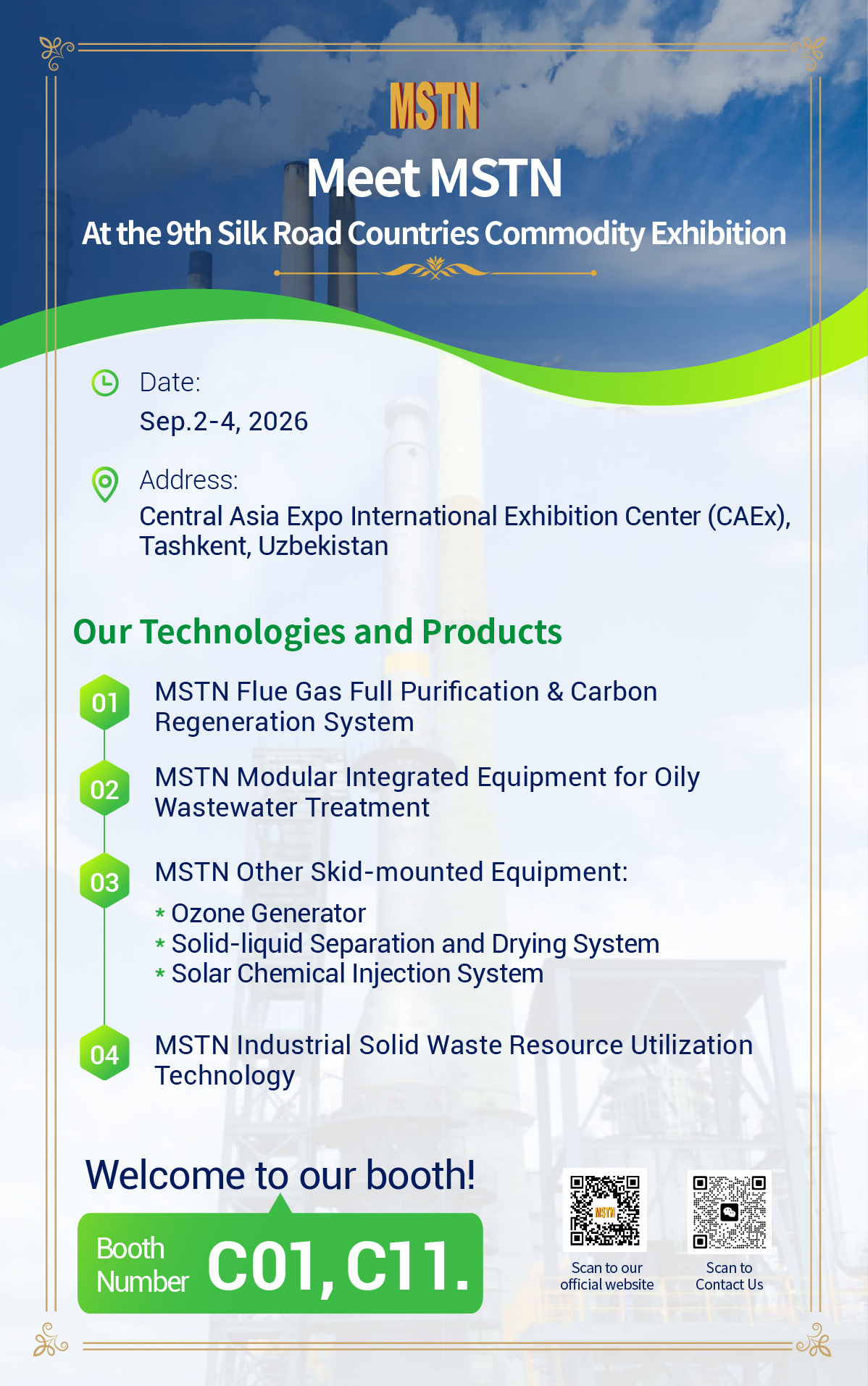
Meet MSTN At the 9th Silk Road Countries Commodity Exhibition
Aug 27,2026
Read MoreIn industries such as steel production, the treatment of sintering flue gas has always been a key challenge for environmental protection and energy efficiency improvement. This type of flue gas contains complex components, including significant amounts of carbon monoxide (CO), as well as various harmful substances such as sulfides, cyanides, hydrogen chloride, and dust. The fluctuating temperature places extremely high demands on the low-temperature activity and resistance to poisoning of catalytic materials. Traditional CO catalysts often exhibit insufficient activity at low temperatures and are prone to deactivation in sulfur- or chlorine-containing environments, leading to unstable system operation, increased energy consumption, and even frequent catalyst replacement, which raises operational costs.

To address this industry challenge, MSTN (Tianjin) Catalyst Co., Ltd., a subsidiary of MSTN Group, leveraged its years of experience in catalytic material R&D to successfully develop a new generation of DCO catalyst. This product is specifically designed for complex flue gas scenarios involving medium-low temperatures and coexisting multiple pollutants. While ensuring high conversion efficiency, it significantly enhances adaptability and service life under harsh operating conditions, achieving the goals of low-temperature high efficiency, energy savings, and stable operation.
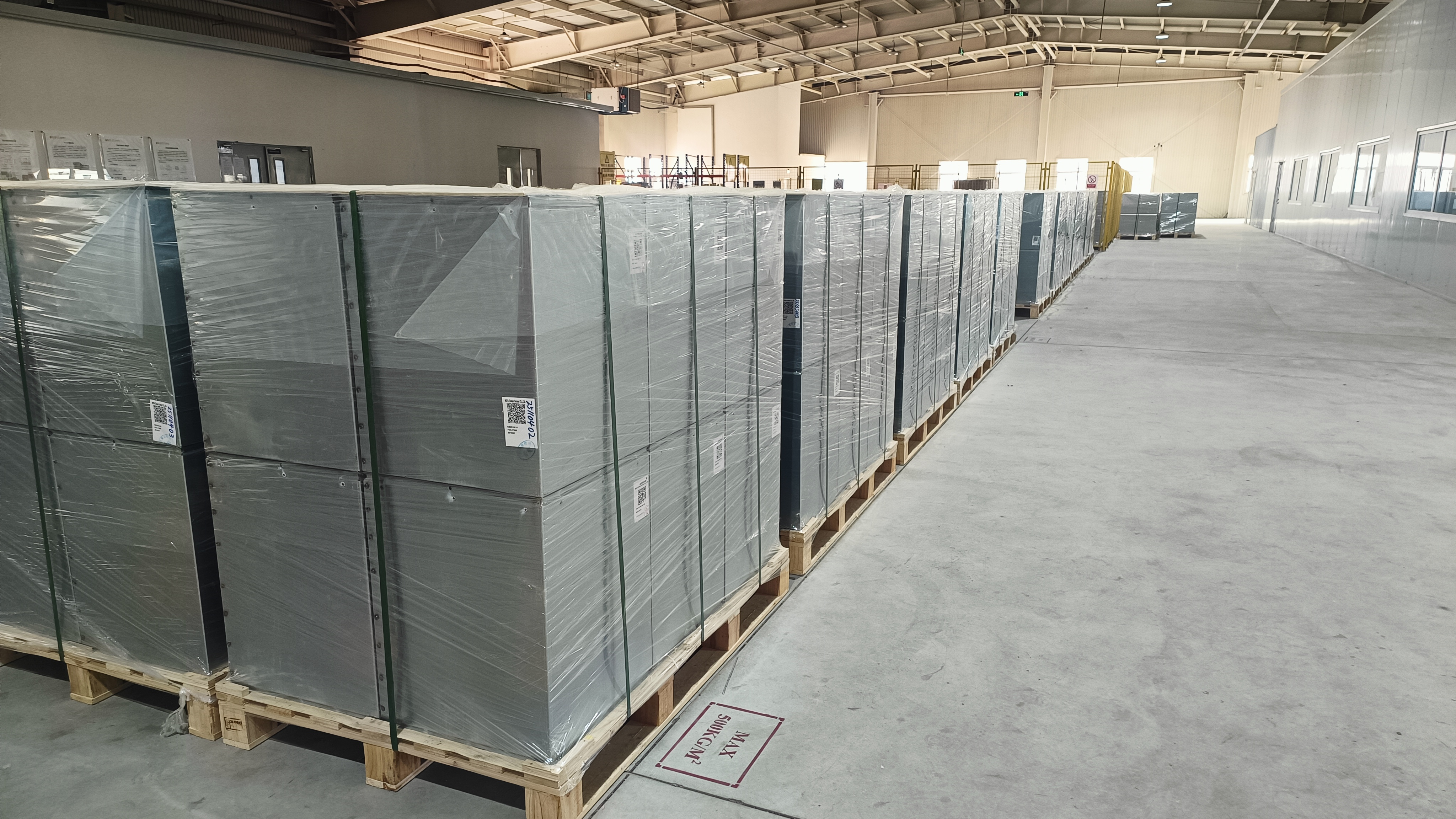
Product performance and applicable scenarios
ØLow activation temperature and wide application range
The activation temperature of traditional CO catalysts is usually at 180 ℃ or even higher, while the MSTN DCO catalyst significantly reduces the activation temperature to 130 ℃. This means that even under low flue gas temperature conditions, the catalyst can quickly start and maintain high activity, especially suitable for CO purification in waste heat recovery or low-temperature flue gas sections, effectively solving the industry's common problem of insufficient low-temperature activity.
Ø High catalytic efficiency, more thorough purification
Under applicable temperature and space velocity conditions, the conversion efficiency of DCO catalyst for CO can be stably maintained at ≥ 99%, and targeted design can be carried out based on specific emission concentrations and purification requirements to ensure that the outlet CO concentration meets ultra-low emission standards and meets increasingly stringent environmental requirements.
ØHigh airspeed and low loading capacity significantly reduce costs and increase efficiency
The product supports airspeed ≥ 10000 h-1, which means that a unit volume of catalyst can handle a larger amount of flue gas, thereby reducing catalyst loading and lowering the initial investment cost. At the same time, high activity makes the system design more compact, especially suitable for the modification and upgrade of existing equipment.
Ø Strong resistance to poisoning and dust, longer lasting operation
Substances such as SOx, HCl, H2S, and dust in complex flue gas are the main causes of catalyst poisoning and blockage. Through material and structural optimization, DCO catalysts can maintain stable performance under typical harsh conditions, significantly extending their service life and ensuring long-term reliable operation of the system.
Ø Energy recycling, achieving the goal of "treating waste with waste"
The catalytic oxidation of CO to CO2 is an exothermic reaction, and the MSTN DCO catalyst can fully utilize this reaction heat. Treating 1000mg of CO can bring about a theoretical temperature rise of about 7 ℃ in the flue gas. This temperature rise can be directly used to preheat subsequent process gases or reduce combustion energy consumption, especially suitable for large industrial furnaces such as sintering machines and heating furnaces. It can effectively reduce system gas consumption, achieve energy recycling, and have significant energy-saving benefits in long-term operation.

Start Your Partnership With MstnLand
Learn More 

 русский